

The Importance of Electrical Installation Certificates
Whether you're a homeowner, landlord, or business owner, it's important that your electrical system is in accordance with UK regulations. This can be confirmed by the issuance of an Electrical Installation Certificate.
These certificates are required by law and must be issued following the completion of work. They will help prove the safety of your electrical system in the event that you ever need to file a claim for damages.
Legal Compliance
Electrical installation certificates are essential documents that must be prepared when work is completed on a home's electrical system. They provide important information about the safety and legal compliance for all appliances. They may also be requested as part of the process of selling a property , and failing to provide them can delay the process.
A certificate for electrical installation is required in order to safeguard the property owner from any unforeseeable dangers that may result from wiring or other elements within an existing installation. This could be the case of fire or electric shock. It also gives buyers confidence that the wiring inside their home is safe and properly installed.
A new electrical installation needs to be certified in most countries with a series of tests to ensure that it is in compliance with local regulations. However, despite this there are occasions where these tests may not be reliable or adequate and lead to dangerous issues that go unnoticed.
This can have serious consequences for homeowners as well as electricians who work on the home's electrical system. To be capable of issuing their own certificates in the UK electricians must sign up with the "Competent Person Self Certification Scheme" however only after approval from an inspector.
If the electrician that has issued an EICR to a home's electrical circuits detects a code C1 or C2 in their inspection, they must take action to rectify the issue as quickly as possible. This could include making modifications to the installation to ensure it is safe or arranging for a fresh inspection.
The same applies to electrical installations. If an inspector or approved inspector authority for electrical installations detects a fault or defect in the electrical system at home the inspector must take corrective action. This could involve a repair replacement, replacement, or another investigation within 28 days.
The homeowner is held to a certain obligation: they must ensure that all electrical equipment used in the home is compliant with the Occupational Health and Safety Act of South Africa. Incorrect or incompatible electrical equipment can pose a danger to anyone who comes in contact with it. It can also cause injury to property or animals.
Safety
Safety is a major issue for many landlords as well as property-owners. Regular inspections of electrical systems are essential to ensure that everything is functioning properly. A failure can cause fires as well as other injuries and can be extremely dangerous. This is why it's imperative that every new and existing installation is regularly inspected by a registered electrician.
As per UK law Tenants and landlords must conduct electrical inspections and certifications of their property at least once every 5 years to ensure that everything is operating in the way it should. They are commonly called 'electrical condition reports' or'domestic electrical installation condition reports'. They must be performed by a skilled person like an electrician or a certified professional.
Request electrical installation certificates if you are searching for an electrician who is reliable. These certificates are required by law and must be presented in three copies - one for yourself as well as one for your electricity provider, and another for the appropriate authorities in your state or region.
An electrical installation certificate is a document that certifies that an electrician has completed any necessary testing or tests to confirm that your electrical installation is safe and complies to the most recent regulations. It is only issued by a licensed electrician.
The certificate should be signed by the electrician. It should also come with an electrical inspection report. The report will contain all the findings and details about the electrical system.
Generally speaking, an electrical inspection will include a visual inspection of the property and a series of tests to assess the overall safety of the installation. The tests will include testing for fuses and circuit breakers as well as earthing and wiring sockets, safety switches and electric storage boilers.
Germany's standards for electrical installations, for example requires that all new installations must be certified by a series of tests that are in line with an international standard. These tests are then presented as an Echeck certificate, which certifies compliance with the rules.
Energy Efficiency
Electrical installation certificates are a form of inspection report that confirms that a specific installation has been constructed according to safety standards. These certificates can be obtained from the local authority or private testing and commissioning companies for electrical installations. These certifications are a great way to ensure that your office, home or commercial property has been properly installed and has met the standards of safety required.
A schedule of test results and inspections must accompany the certificate. This will help you find any electrical issues and enable you to have them fixed as soon as possible.
Many properties in the UK require an energy efficiency certificate. It allows you to discover how energy efficient your property is, which will assist you in making informed choices about its purchase or rental.
This certificate gives objective information on the energy performance of a building or home, such as how much hot water it produces and how efficient its lighting and heating systems are. It also includes elements like the material used for its outer walls, woodwork and what kind of windows it houses.
Efficiency in energy can be utilized to achieve both economic and environmental benefits for both the environment and economic. For example, increased efficiency in energy can help reduce greenhouse gas emissions and other pollutants , as well as decrease energy use and water consumption.
Energy efficiency programs can also be cost-effective if they're implemented in the early stages and focus only on the most cost-effective measures. These strategies have proved successful in a variety of situations and can be implemented through electric, gas, or cooperative utilities.
These programs are able to help attain a variety savings goals, such as those related to electricity sales peak demand for electricity, as well as natural gas consumption. These programs typically require utilities companies to reduce their customers' energy consumption by a certain amount and in accordance with a schedule or schedule.
Despite the potential to save energy, it is not always simple for consumers to pick more energy-efficient options since they do not have accurate details about what it will cost them. This could result in an individual not investing enough in efficiency which is a kind of market failure.
Costs reduced
For homes that must be in compliance with safety standards electrical installation certificates are required. They also help you save money by shielding you from possible damages and costs, and provide you with the assurance that your electrical system is functioning properly.
electrical certificates uk is required for all new electrical installations, however it is also valid for alterations to existing installations that don't require the addition of a new circuit. This is usually performed in older homes which have wiring systems that are outdated. However it can also be used on rental properties.
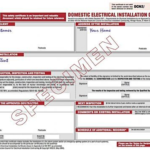
Cost of an electrical installation certificate will depend on a number of factors, such as the size of your house and the kind of work needed. An electrical installation certificate will cost between PS125 to PS300. However it doesn't include any additional costs such as repairs or labor costs.
A qualified professional will inspect every electrical installation within your home for defects or wear. The expert will then write an inspection report that highlights and recommends corrective actions to make sure that the property is meeting all legal requirements.
They will also assess your home's energy consumption and pinpoint areas that could be improved. This will result in more sustainable and efficient method to power your home. This will lower the total cost of electricity and reduce your carbon footprint.
An electrician will look over all wiring in your house to ensure that it is in compliance with legal standards. They will also test the electrical outlets, sockets, and consumers units (fuseboxes). Once they have completed all these tasks, they will issue you with a final electrical installation certificate.
Rewiring is an electrical task that is more complex and can take longer than other projects. However, it could be worth it if you consider that faulty wiring can result in a fire in the home. Your electrician will replace all of the wiring in your home, replacing any outlets as well as sockets, switches, and consumer units.